What an Interior Designer Does During Construction (and Why It's Nothing Like the Contractor's Role)
If you're planning a full home renovation or new build in San Francisco or the Bay Area, you're about to have a lot of people on your team — a general contractor, subcontractors, and an interior designer, each with a distinct role and a different relationship to the project. Depending on the scope, an architect and structural engineer may be part of that picture too. One of the questions we hear most from new clients is a simple one: how do all of those roles actually fit together? Specifically, what does the designer do once construction begins?
The honest answer: our role during construction is one of the most active phases of the entire project. It looks quieter from the outside, because we're not swinging hammers or managing the job site. But what's happening behind the scenes — the decisions being made, the problems being caught, the details being coordinated — is the difference between a finished space that feels considered and one that feels close-but-not-quite.
What Does an Interior Designer Do During Construction?
During construction, an interior designer reviews shop drawings before fabrication begins, conducts site visits at critical build milestones, resolves field questions with design intent in mind, manages material substitutions, and walks the final punch list alongside the general contractor to ensure the finished space reflects the design standard. It's an active, technical role — one that protects every decision made during the months of planning that came before.
This post is our attempt to pull back the curtain on that. The better you understand what each person on your team is responsible for, the more smoothly your project runs — and the more clearly you can see how we’re working on your behalf.
By the time construction begins, we’ve typically been working on your project for six months to a year — through initial exploration, conceptual design, detailed design, and documentation. That context is exactly what makes our role during construction so specific. We’re not arriving cold. We know every decision that was made and why. If you'd like a broader overview of what that full journey looks like, this post walks through what we really do across every phase of a project.
The Contractor and the Interior Designer Are Not Doing the Same Job
The contractor builds your home. We make sure what gets built is the one you were promised.
That's the simplest way we know to say it — and it's worth sitting with, because the confusion between these two roles is genuinely understandable. You're paying two professionals, both of whom show up to your job site, both of whom have opinions about your project. It's easy to wonder if there's overlap, or if one of us is redundant.
There isn't. Your contractor is responsible for executing the build: managing subcontractors, sequencing the work, maintaining safety, meeting code, and keeping the project on schedule and on budget. They are the authority on how things get built. A good contractor is indispensable, and we work closely with ours.
What we do is different. We are the keeper of the design intent — the person whose job it is to ensure that what was conceived in the planning phase actually comes to life in the field. We're not supervising the contractor's work. We're protecting the vision that everyone agreed to, and navigating the inevitable discoveries that arise when plans meet reality.
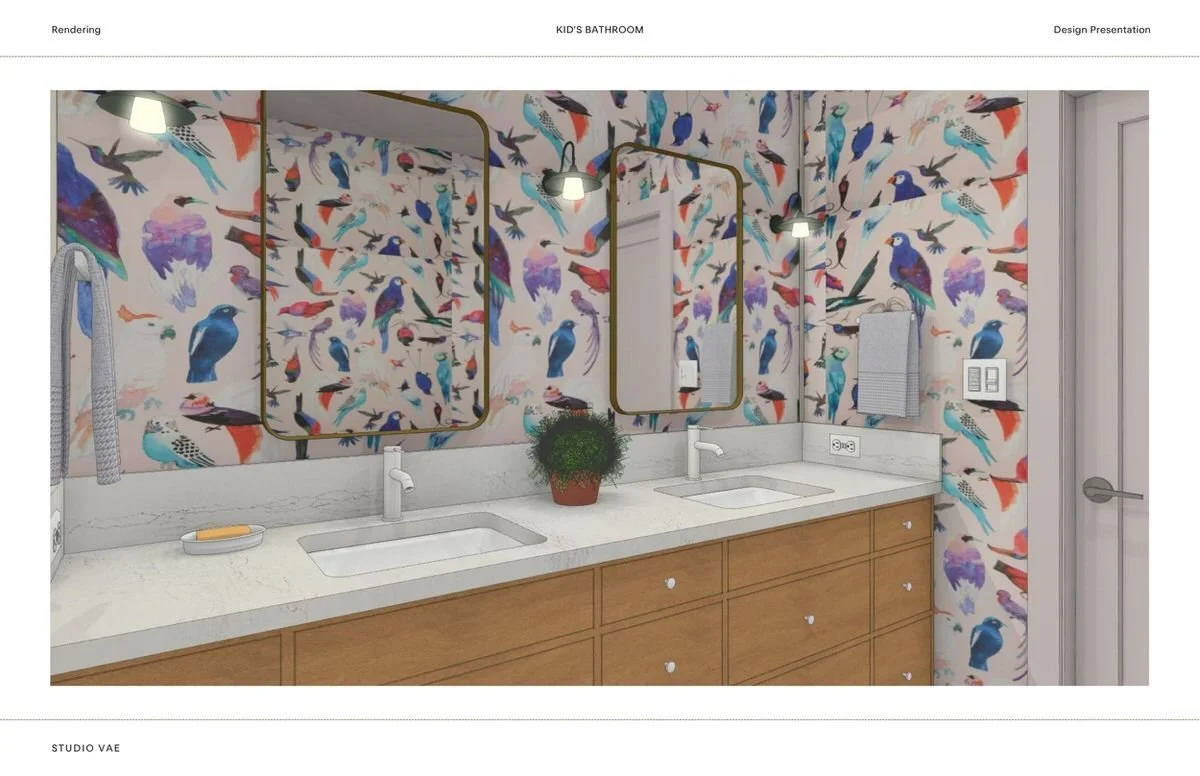
What We're Actually Doing During Your Construction Phase
Reviewing Shop Drawings Before Anything Gets Built
Before a single custom piece is fabricated — a built-in bookcase, a kitchen cabinet run, a window seat — detailed shop drawings come to us for review. These are the millwork fabricator's interpretation of our design drawings. Our job is to look at them carefully and confirm: is this actually what we specified? Are the dimensions right? Does the reveal at the base of this cabinet land the way we drew it?
This step is less glamorous than selecting stone slabs, but it's where expensive mistakes get caught before they're made. A quarter-inch discrepancy in a shop drawing, approved without review, becomes a cabinet that doesn't sit flush at installation. We've seen it happen on projects we inherited. It doesn't happen on ours.
Being Available When It Matters
Construction has a rhythm, and part of our job is moving with it. When a question comes up in the field — a drain location that needs to be reconciled with the plan, a wall that opens up with different framing than expected — the answer needs to come from someone who understands the design intent, not just the immediate problem.
These conversations happen by text, by phone, and on site. In commercial construction they're formalized into a documented process — in residential work they're simply part of the rhythm of the job. We're the ones who pick up, understand the context, and give an answer that keeps the project moving in the right direction.
It’s one of the quieter parts of what we do, but it’s where a lot of the design is actually protected. Every specification, every drawing, every finish decision is documented — so when a question comes up in the field, we’re not guessing. We know exactly what was intended and why.
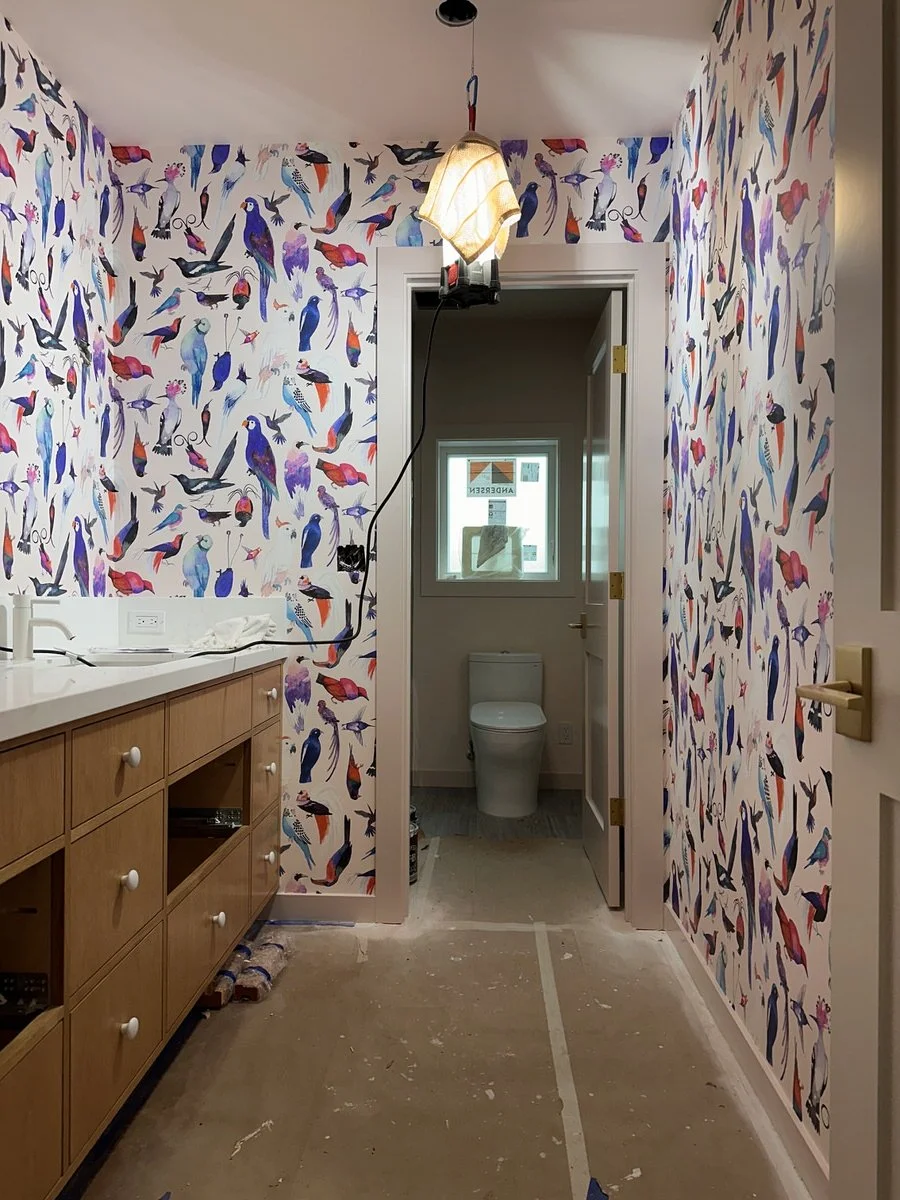
Wallpaper installation day — one of our favorite project milestones. Seeing Aimee Wilder'sParadise Birds Lei wrap every surface is when the design really comes to life.
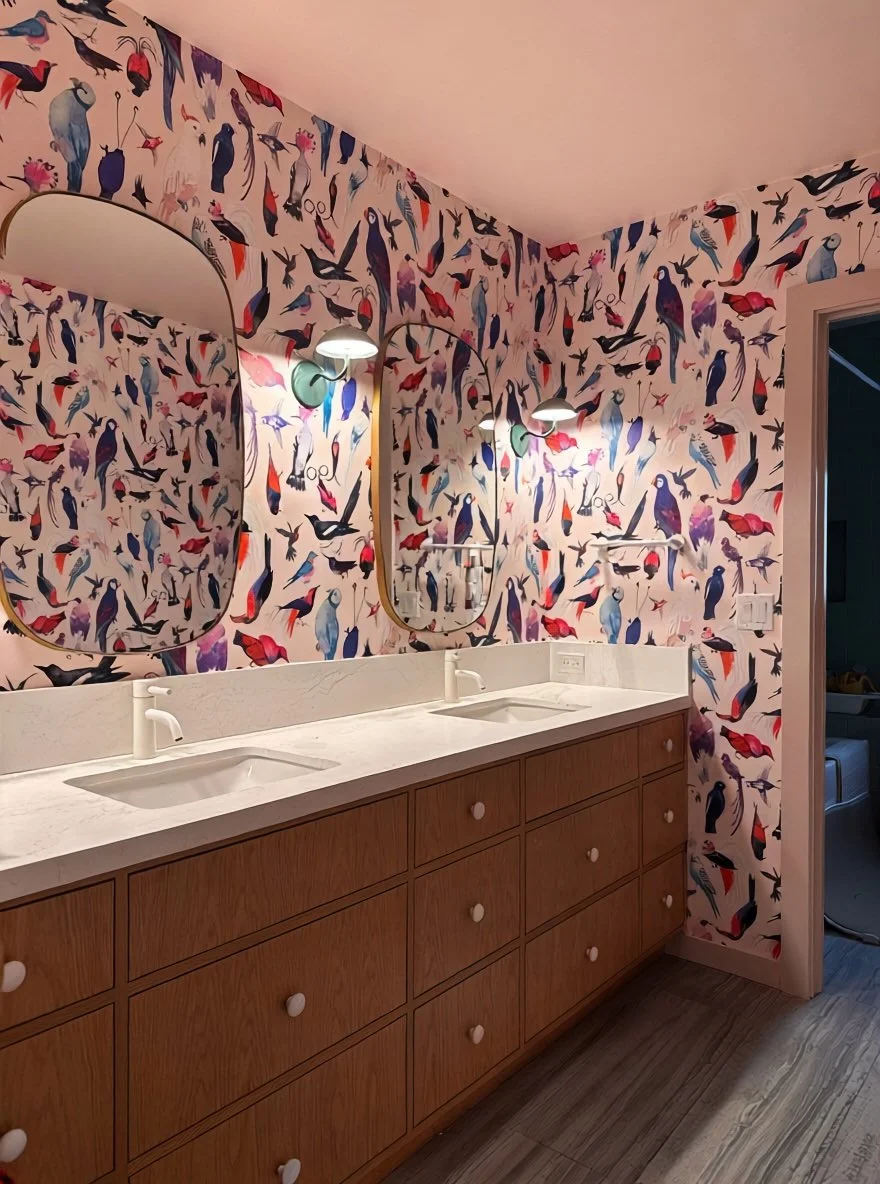
The finished vanity room, designed for two. Custom oak cabinetry, white stone countertop, brass oval mirrors, and green sconces — letting the wallpaper take center stage.
Conducting Site Visits at Critical Moments
We don't need to be on site every day. But there are specific moments in a construction sequence when a designer's eyes matter enormously, and we're there for them.
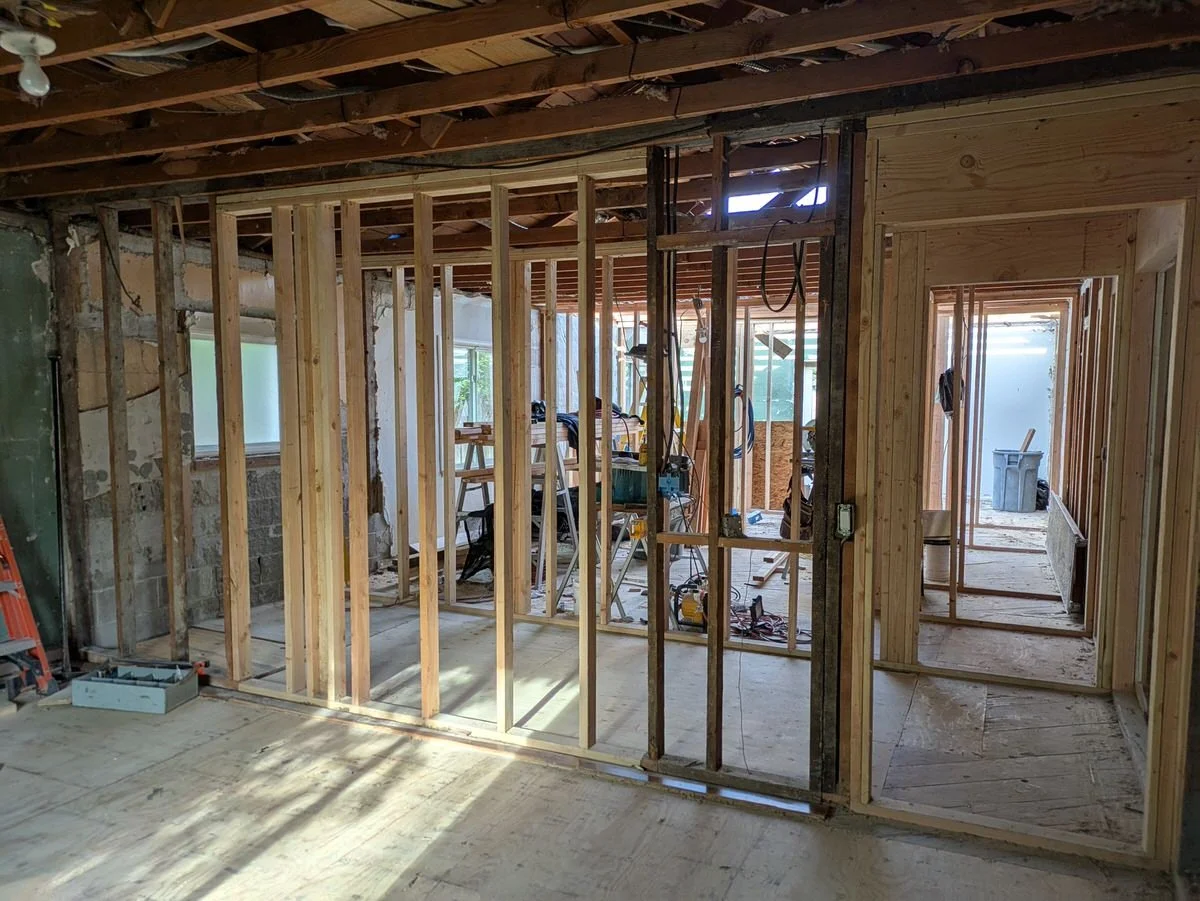
Before walls close. Once drywall goes up, anything behind it is inaccessible. We walk the site before that happens to confirm that blocking is in the right place for the TV mount or the floating shelf, that the electrical rough-in reflects the lighting and electrical plan we developed — not a rough approximation of it — and that plumbing fixtures are roughed in at the correct heights.
During tile and stone installation. The way tile is laid out on a wall — where the cuts fall, how patterns align — is the kind of decision that permanently affects how a space reads. A skilled tile setter needs direction from the designer at the start of the install, not after four rows are up.
At millwork fabrication and installation. We're involved through fabrication and finish review and aim to be on site at key milestones during installation — the stages where design intent is most at risk. This is where the most custom, most design-specific work comes to life — and where there's the least margin for error at every stage.
When the Plan Needs to Flex
Not every selection survives contact with the construction timeline. A tile goes on backorder. A stone we specified gets discontinued. A lighting fixture that looked right in specification arrives and reads completely differently in the space as it's actually taking shape.
When this happens — and on most projects, something like this happens — we recommend a substitution within the spirit of the original design and present it to the client for approval before anything moves forward. This isn't a minor thing. A substitution made without design judgment can quietly undercut choices that were made deliberately. Our job is to solve the problem without losing the thread.
The Punch List Walk: Where Design Intent Gets a Final Check
Near the end of construction, we walk the completed space alongside the general contractor — documenting everything that doesn't meet the design standard: a paint edge that's not crisp, a hardware pull that's misaligned, drywall that's chipped. The contractor is responsible for correcting the items. What we bring to that walk is a designer's eye — trained to notice things that aren't wrong structurally but don't reflect what was designed, and to articulate precisely what needs to change and why. A well-executed punch list process is the difference between a renovation that's "done" and one that's actually finished.
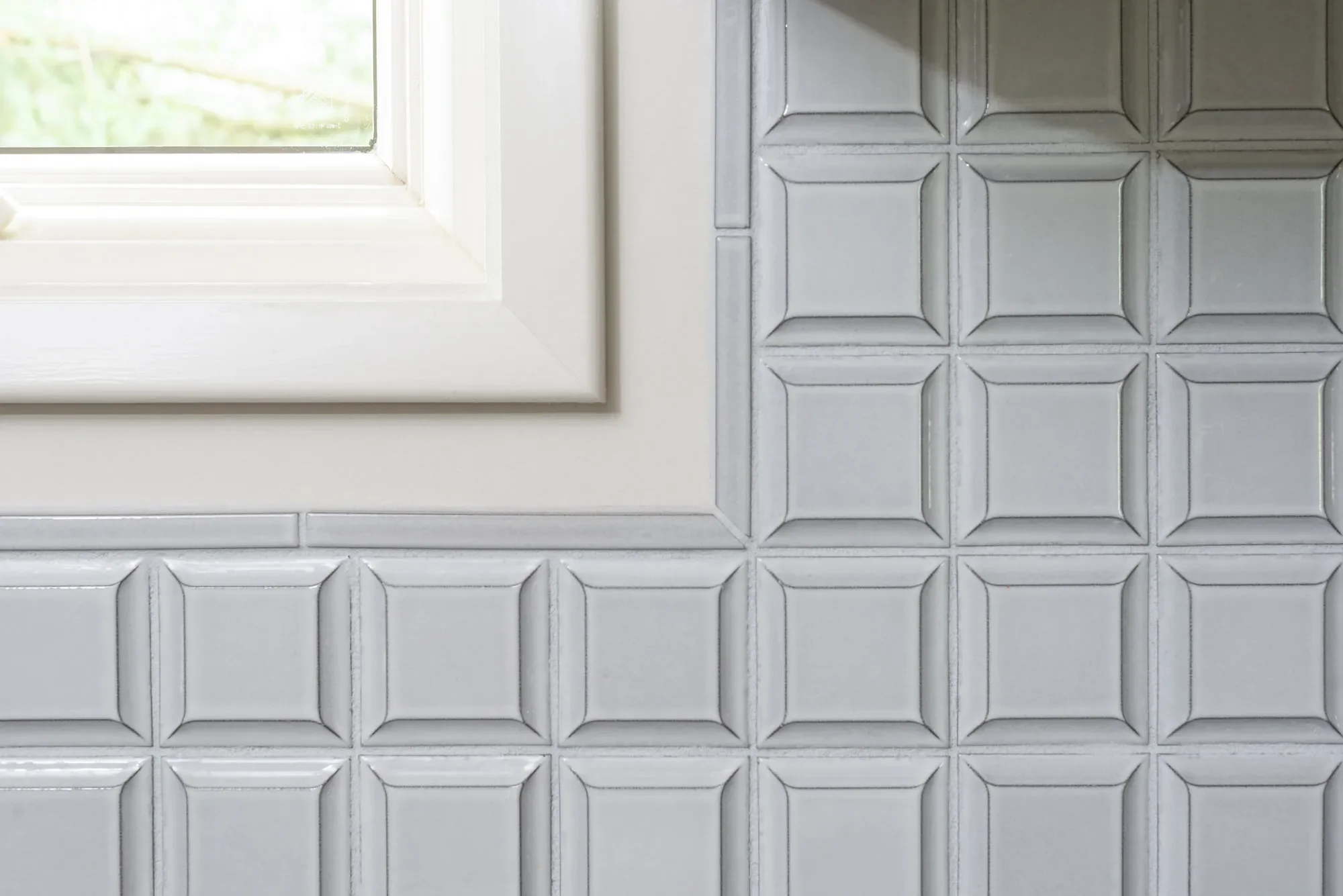
The tile does the work quietly — but getting here wasn't simple. We did a full dry mockup before installation to confirm a perfect 90-degree layout and ensure no tiles needed to be cut. That kind of planning is invisible in the final result, which is exactly the point.
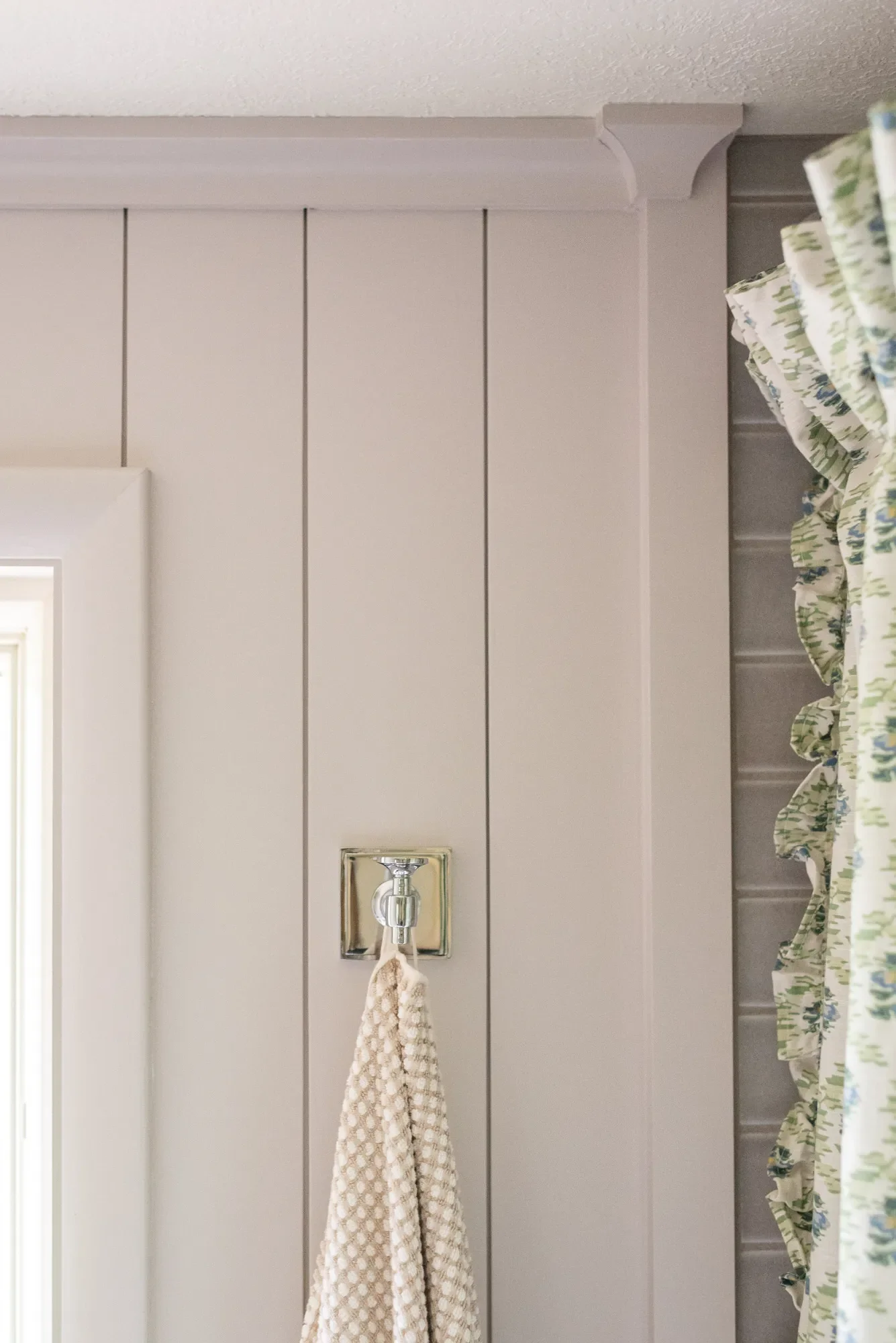
The vertical shiplap was centered specifically so the robe hook would land on a single board between the window and shower rather than spanning a seam. Where the paneling meets the tile, a flat trim piece captures the tile edge, giving both elements a clean, deliberate transition.
Why This All Matters for You as a Client
We say this not because the process needs to be complicated, but because the construction phase is where the investment made in design either pays off or quietly erodes. In San Francisco and across the Bay Area, the projects we work on — full home renovations, new builds, complex structural scopes spanning multiple rooms and phases — have too many moving parts for design intent to survive on its own. The planning phase produces a vision. The construction phase is where that vision either holds — or quietly unravels, one unreviewed shop drawing at a time.
Our role isn't to supervise the contractor — it's to make sure the project they're building stays true to the design you signed off on. That's what we're there for, start to finish. You can learn more about our full-service design process, if you're still getting oriented.
If you're planning a renovation or new build in San Francisco, the Bay Area or beyond and wondering whether full-service interior design is right for your project, we'd love to talk it through. Reach out, and let's start the conversation.
— Veronica & Aggie
Frequently Asked Questions About The Construction Phase
Q: What does an interior designer do during construction?
A: During construction, an interior designer reviews shop drawings and fabrication documents before anything gets built, conducts site visits at critical moments in the build sequence, fields questions from the contractor that require informed design judgment, handles material substitutions when selections fall through, and walks the final punch list alongside the general contractor to ensure the finished space reflects the design standard. It's an active, ongoing role — not a passive one.
Q: How is an interior designer different from a general contractor — and do I need both during construction?
A: A general contractor is responsible for executing the build: managing subcontractors, sequencing the work, meeting code, and keeping the project on schedule and on budget. An interior designer is responsible for protecting the design intent — ensuring that what was planned actually comes to life in the field. The contractor builds your home. The designer makes sure what gets built is the one you were promised.
Both matter because they're answering different questions. Your contractor is asking: how do we build this? Your designer is asking: is this still the project the client envisioned? Shop drawings need a design eye before fabrication begins. Field questions need answers that account for the overall vision, not just the immediate problem. Details get locked in permanently before the drywall goes up. Having both professionals in their respective roles is what allows a construction project to finish the way it was designed to start.
Q: How long does an interior designer's involvement in construction last?
A: It depends on the scope of the project. For a full-scale home renovation or new build in San Francisco or the Bay Area, a designer may be actively engaged for nine months to over a year — present throughout construction, not just at the beginning or end. Involvement is most intensive during framing and rough-in work, when critical decisions are being made, and during the finish phase when custom millwork and tile are being installed.
Q: What is a punch list in interior design?
A: Near the end of construction, the interior designer and general contractor walk the completed space together, documenting everything that doesn't meet the design standard — misaligned hardware, uneven paint, imprecise grout joints. The interior designer brings a trained eye to that walk, catching what isn't wrong structurally but doesn't reflect what was designed. The contractor is responsible for resolving the items. It's the final checkpoint between a renovation that's "done" and one that's actually finished.
Q: Can a homeowner manage the construction phase themselves without a designer?
A: Managing the construction phase without a designer is essentially a part-time job on top of your actual life. Someone needs to be reviewing shop drawings, fielding calls from the contractor, tracking whether the right materials are arriving, and making informed decisions quickly — often same-day. Homeowners can do this, but it requires real availability and enough technical knowledge to catch what you don't know to look for.

Meet Your Interior Designers
Studio VAE is a full-service interior design studio serving the San Francisco Bay Area, led by Principal Interior Designers Veronica Jurist and Aggie Revane.
With decades of experience in high-end hospitality, residential design and interior architecture, they create spaces rooted in sustainability, wellness and meaningful connection — and have been present on every job site from framing through punch list.