
Hosting-Ready Rooms: How to Prepare Your Home for Holiday Guests
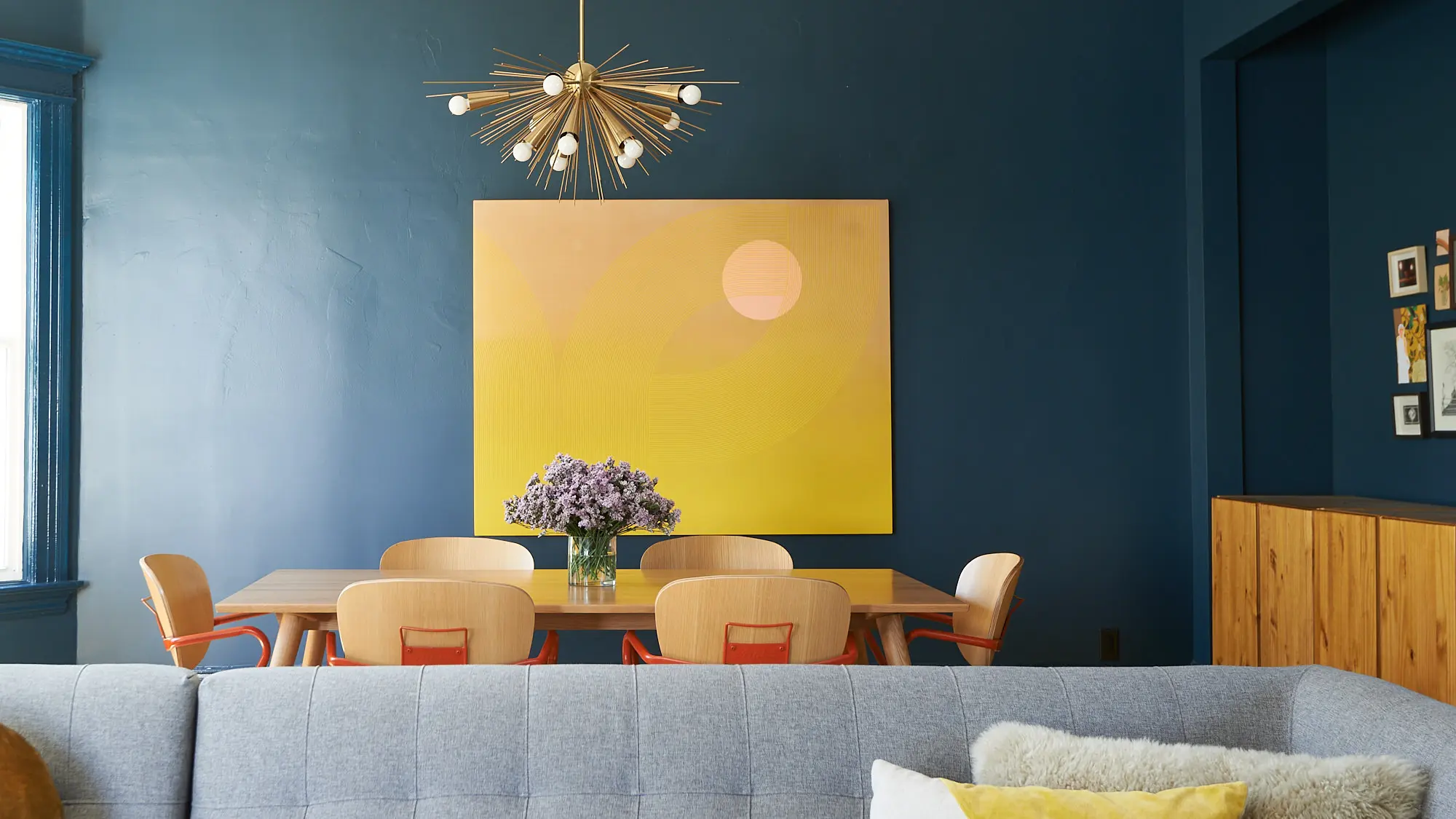
In November, evenings in San Francisco arrive early. The fog rolls in by late afternoon, lamps come on sooner, and homes across the Bay Area begin to fill with people. When clients ask us how to prepare their home for holiday guests, they often expect a list of decorations. Our answer starts somewhere else: how a guest moves through the house, where they pause, and what they notice when they do.
A hosting-ready home is not a staged one. It's a home that anticipates what guests will need. Here is how we approach it.
How Do I Make My Home Feel Welcoming for Guests?
Start at the door. Many San Francisco homes have narrow entries or open straight onto a staircase, which makes the moment of arrival more important.
Give coats and bags a clear destination. A few wall hooks, a cleared closet with matching hangers, or a slim bench shows guests where things go when they arrive.
Light the threshold warmly. A table lamp or wall sconce near the door, for a soft glow, is far more welcoming than overhead lighting.
Edit the surfaces. Clear the console of mail and keys, and leave a thoughtful object, such as a bowl, a branch of greenery, or a candle.
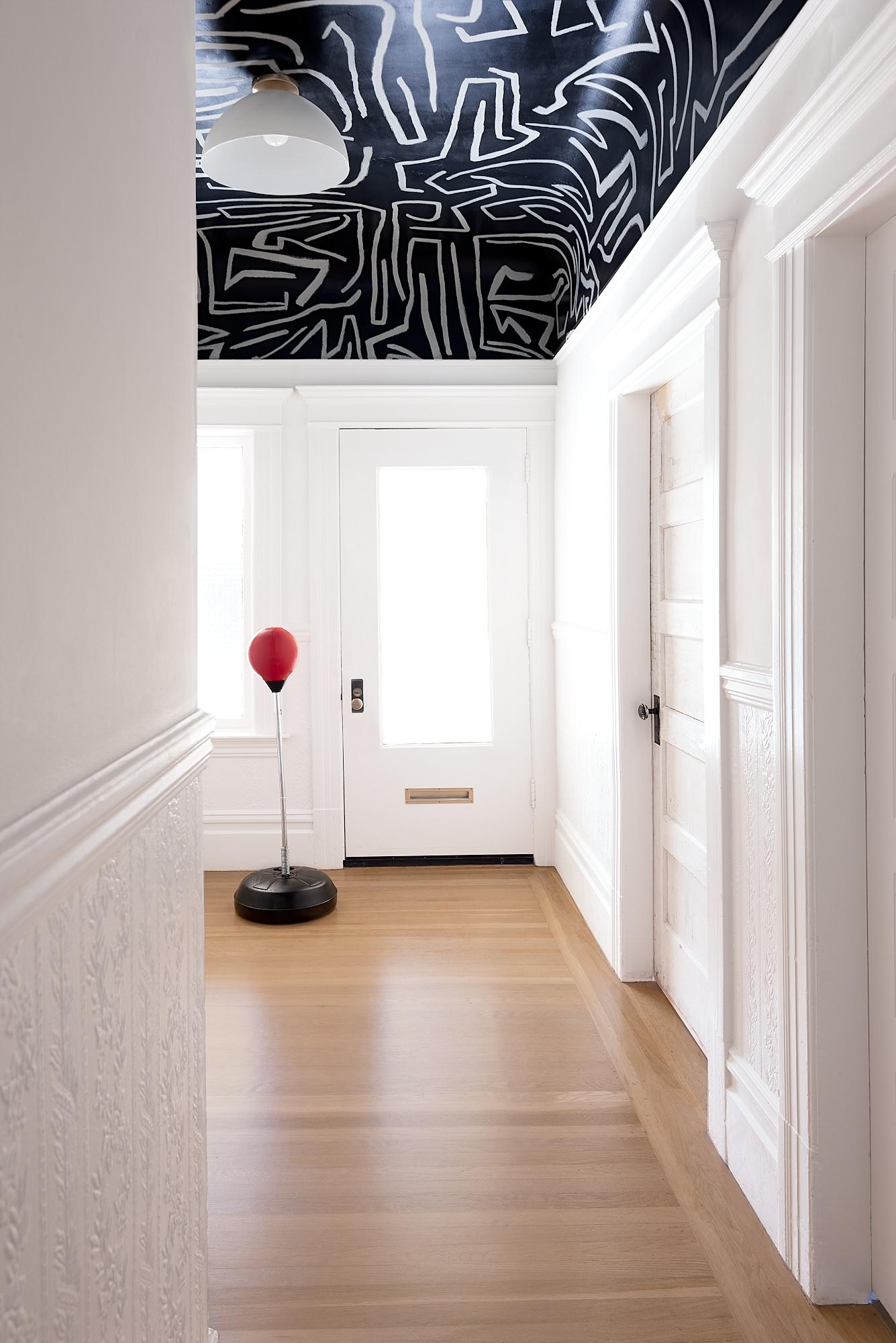
How Should I Light My Home for Entertaining?
More than anything else, lighting separates a house that simply functions from a home that feels good to be in. It’s also some of the most invisible work we do.
Layer the light instead of flooding the room. Light at different heights, from overhead fixtures to lamps and sconces at eye level to candles on the table, gives a room depth. Overhead light alone flattens it.
Put dimmers where people gather. If a renovation is in your future, plan for layers: separate circuits for overhead, task, and accent lighting, each on its own dimmer. Until then, plug-in dimmers give your lamps much of the same control.
Watch the color temperature. We keep color temperature consistent throughout the house, and 2700K is a great place to land: warm, flattering, and easy to live with. Mixing warm and cool bulbs is one of the most common issues we see, and one of the easiest to fix.
Where Everyone Ends Up: The Kitchen and the Table
No matter how carefully you set the living room, guests find their way to the kitchen. Rather than resist it, design for it.
Create more than one landing zone. Clear one stretch of counter or the end of an island for drinks and appetizers, away from where you're cooking. Guests stay close without being in your way. Then give guests a second place to gather just off the kitchen: the coffee table in the living room, or a small table set up with drinks and something to eat. Splitting things up gives guests a few places to go, so the kitchen isn't the only place to stand.
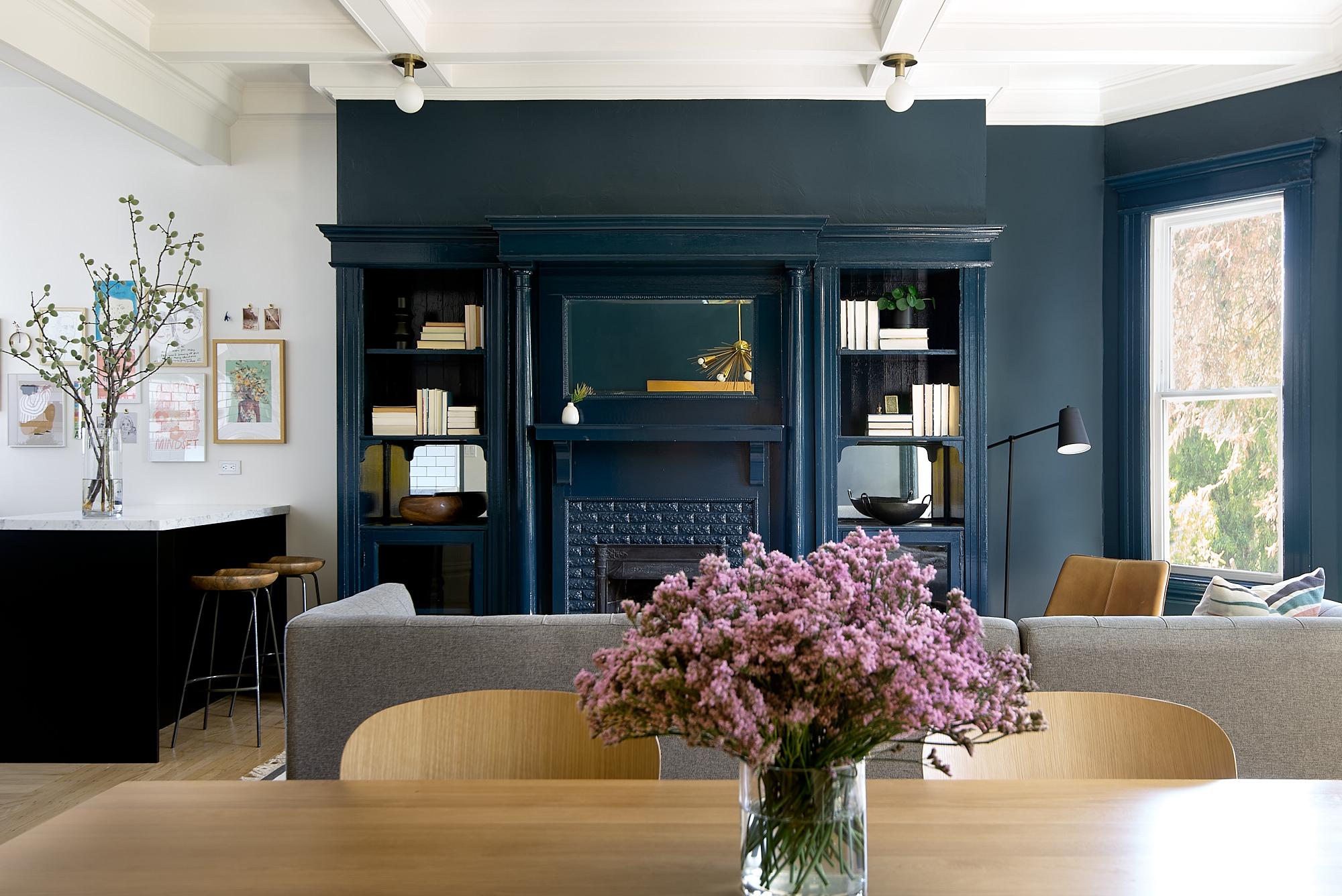
Mind the circulation around the table. Allow at least 36 inches between the table and a wall or other furniture so chairs can pull out and people can pass behind them. If you're adding a leaf or extra seating, test the layout a few days ahead.
Keep the centerpiece and candles low. Below eye level, they keep conversation moving across the table.
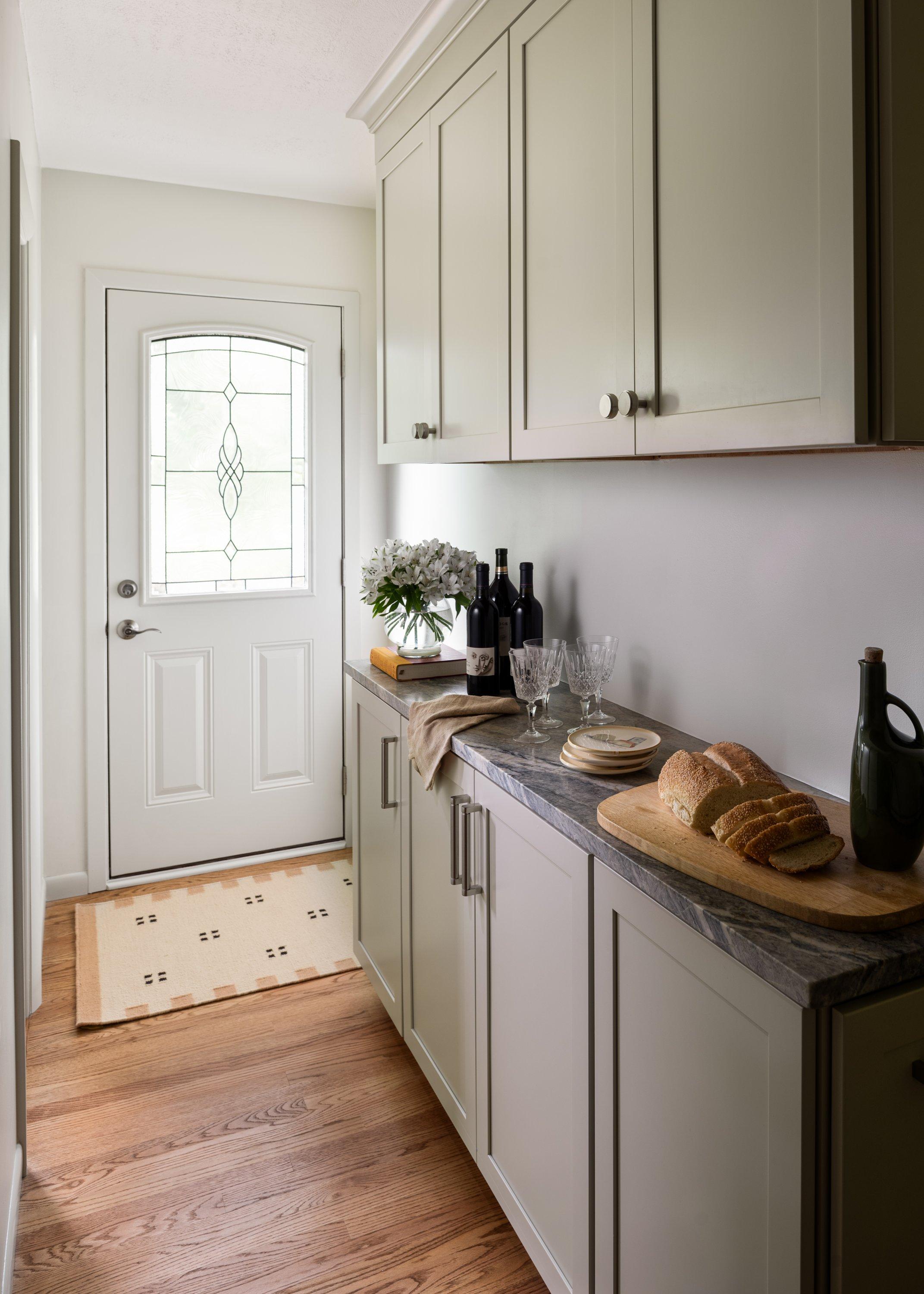
Guest Bathroom Ideas for the Room Every Guest Sees
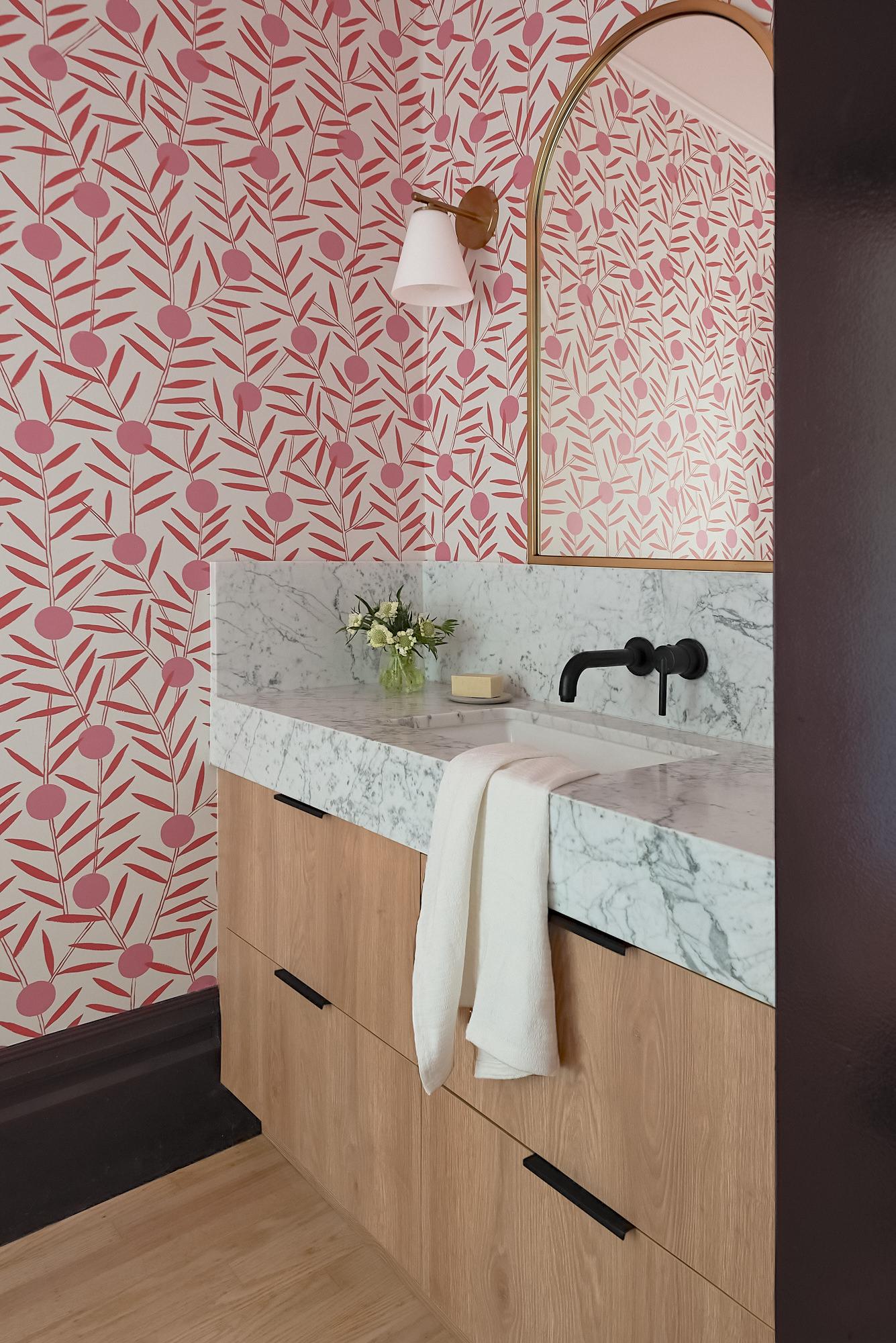
In many Bay Area homes, one bathroom serves the whole party. It's often the most visited room of the evening and the one where guests spend a moment alone.
Stock it so no one has to ask. Put out fresh hand towels, a good hand soap, and extra tissue where it's easy to find.
Soften the light. A harsh vanity light is unflattering. A small lamp or a safely placed candle changes the mood entirely.
Check the small details. Make sure there's a hook for a bag, a surface for a phone, and a door that latches properly.
For Guests Who Stay: Guest Room Essentials
Overnight guests live with a room in a way dinner guests don't. They notice where the light switch is, whether there's room for a suitcase, and how warm the bed is at two in the morning.
When you prepare your home for holiday guests who are staying the night, think through their whole stay:
- Layered bedding so guests can adjust for chilly San Francisco nights
- A reading light on each side of the bed
- Cleared hanger space and a spot for luggage
- A carafe and glass on the nightstand, with the Wi-Fi details nearby
The best test is to sleep in your guest room for one night yourself. You'll find what's missing by morning.
When Small Fixes Point to Bigger Questions
Hosting is the best test a home gets. A full house shows you where the entry is too dark, where the kitchen runs out of room, and whether one bathroom is really enough. Note those moments while you're living with them. They're easy to forget by January.
For questions like furniture arrangement, lighting, or a paint decision, our Design Consulting service connects you with a studio principal virtually and includes a recording and transcript to refer back to. If the rooms themselves need finishing, Design Day gives you a complete plan for furnishing them at your own pace.
For larger changes, fall is the right time to start planning. Space planning, finish selections and sourcing all take time, and custom pieces, from upholstery to cabinetry to lighting, can have lead times of several months. Starting now means you’re ready to begin as soon as the new year arrives. Our guide to kitchen renovation in San Francisco walks through what that timeline looks like.
Key Takeaways
- Give coats and bags a clear place to go, and light the entry with a lamp or sconce instead of an overhead fixture.
- Layer light at several heights, use warm bulbs around 2700K, and put a dimmer on the dining fixture.
- Set up more than one landing zone, so the kitchen isn't the only place to stand.
- Allow at least 36 inches around the dining table so chairs pull out and guests can pass.
- Stock the guest bath so no one has to ask, and soften its light.
- Sleep in your guest room for a night before anyone else does.
Before the Doorbell Rings
The most welcoming homes aren't the most decorated. They're the most considered. When you prepare your home for holiday guests with intention, the house does the quiet work, and you get to be present with the people you love.
If a 2027 project is on your mind, we'd love to start the conversation.
Meet Your Interior Designers
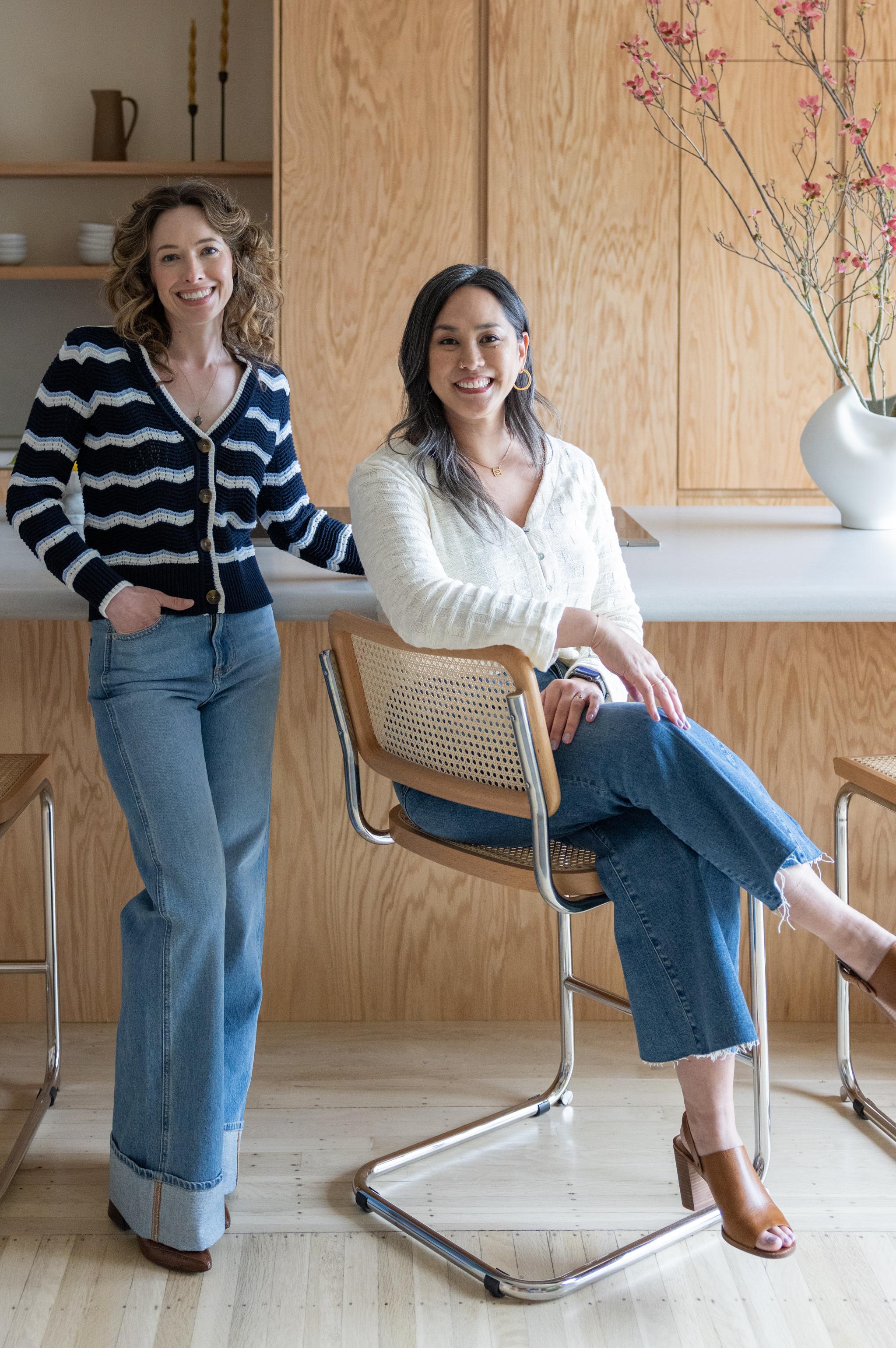
We are Veronica Jurist and Aggie Revane, principal designers and co-owners of Studio VAE, a full-service interior design studio based in San Francisco.
Drawing on more than 40 years of combined experience in high-end residential and hospitality interiors, we design whole-home renovations, new construction and furnishings projects throughout the Bay Area.